
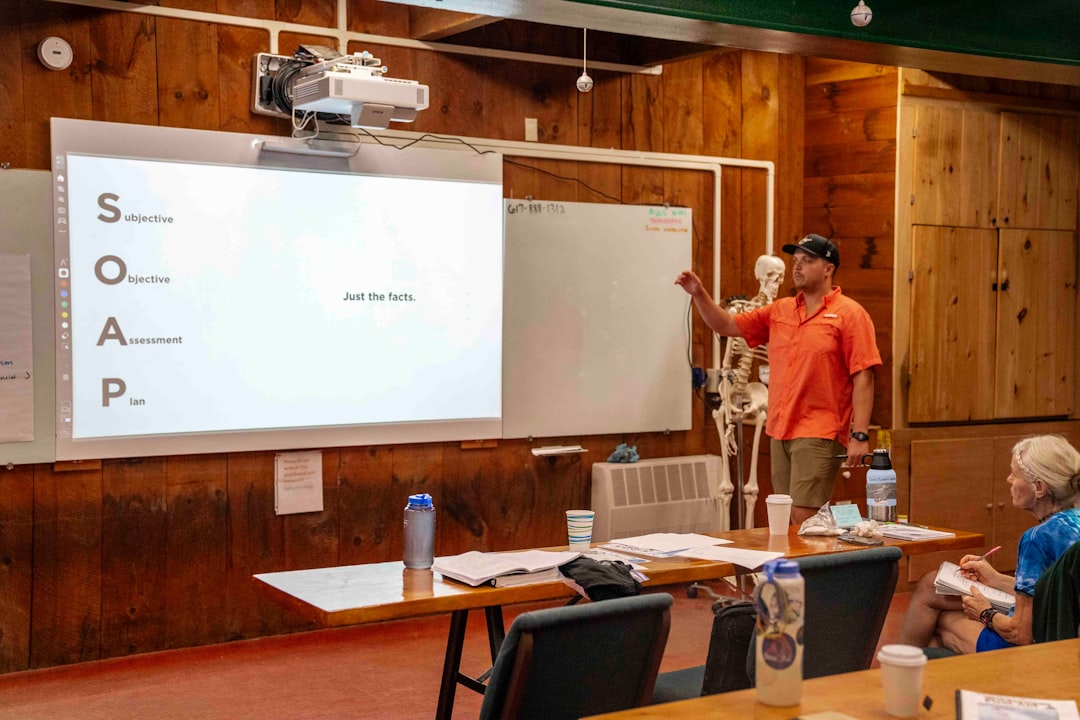
The Art of Conference Planning: Transforming Ideas into Unforgettable Experiences
When it comes to conference planning, the task can seem daunting. It’s not just about booking a venue and sending out invitations; it’s about creating an experience that leaves a lasting impression. From choosing the right location to curating an engaging agenda, every detail matters. So, how do you transform an ordinary conference into an unforgettable experience? Let’s dive into the art of conference planning.
### Understanding the Purpose
Before diving into logistics, it’s crucial to define the purpose of the conference. Are you looking to educate, inspire, or network? Understanding your goals will shape every decision you make. This clarity not only guides the planning process but also helps in communicating the event’s value to potential attendees.
### Budgeting: The Backbone of Planning
A well-structured budget is essential. Many planners fall into the trap of overspending on extravagant venues or high-profile speakers. However, the focus should be on value rather than flashiness. Consider cost-effective options like local venues, virtual platforms, or community centers that can provide a more intimate and engaging atmosphere without breaking the bank.
### Choosing the Right Venue
The venue sets the tone for the entire event. Whether you’re hosting a corporate retreat, a tech conference, or a non-profit summit, the right venue can enhance the experience. Look for spaces that offer flexibility—rooms that can be easily configured for different sessions, and venues that are accessible to everyone. Remember, ambiance matters! A place that feels welcoming can significantly affect attendees’ engagement levels.
### Crafting an Engaging Agenda
A captivating agenda is the heart of any successful conference. Instead of cramming in endless speaker sessions, think about incorporating a mix of formats. Consider interactive workshops, panel discussions, and networking sessions. This approach not only keeps the energy levels high but also encourages participation and collaboration among attendees.
### The Power of Technology
In today’s digital age, integrating technology can enhance the conference experience. From mobile apps that provide schedules and speaker bios to live polling tools that engage the audience during sessions, tech solutions can streamline the experience for both planners and attendees. Additionally, consider recording sessions for later access—this adds value and extends the life of the conference well beyond its physical duration.
### Sustainability in Conference Planning
As environmental concerns become more prominent, incorporating sustainability into your conference planning can resonate well with attendees. Opt for eco-friendly venues, provide digital materials instead of printed ones, and encourage sustainable practices like carpooling or using public transport. Not only does this reduce the event’s carbon footprint, but it also showcases your commitment to responsible practices.
### Engaging Attendees Before and After
Don’t wait until the day of the event to start engaging with attendees. Use social media platforms to create buzz around the event. Share sneak peeks of speakers, behind-the-scenes planning, or interactive polls to generate excitement. After the conference, follow up with attendees. Thank them for their participation, share key takeaways, and solicit feedback to improve future events.
### Networking: Creating Connections
One of the primary reasons people attend conferences is networking. Facilitate this by creating spaces that encourage interaction—think lounge areas, coffee breaks, and group activities. Use icebreakers to get attendees mingling. The more comfortable people feel, the more connections they’ll make.
### Measuring Success
Post-conference evaluation is crucial for understanding what worked and what didn’t. Use surveys, attendance data, and social media engagement metrics to assess the event’s success. Gathering this information will help you refine your approach for future conferences.
### Conclusion
Conference planning is an art that requires careful consideration, creativity, and flexibility. By understanding the purpose, managing your budget wisely, choosing the right venue, crafting an engaging agenda, and incorporating technology and sustainability, you can create an experience that attendees will remember long after the event is over. So roll up your sleeves and start planning an extraordinary conference that transforms ideas into unforgettable experiences.