Mastering the Art of Conference Planning: Your Ultimate Guide to Success
Planning a conference can feel like trying to juggle flaming torches while riding a unicycle on a tightrope. The pressure is on, and every detail counts. But fear not! With the right approach, you can turn this daunting task into an enjoyable experience that not only impresses attendees but also leaves a lasting impact on your organization. Here’s your ultimate guide to mastering the art of conference planning.
### Understand Your Objectives
Before diving into the nitty-gritty, take a moment to reflect on your conference goals. What do you want to achieve? Are you aiming to educate, network, or perhaps launch a new product? By defining your objectives, you set the tone for everything that follows. It also helps you communicate your vision to your team and stakeholders, ensuring everyone is on the same page.
### Budgeting Wisely
Every great conference starts with a budget. It’s crucial to outline your expenses clearly. Consider venue costs, catering, speaker fees, marketing, and even those sneaky little costs that tend to pop up. Here’s a pro tip: allocate 10-15% of your budget for unforeseen expenses. By doing so, you won’t find yourself in a pinch when the unexpected occurs.
For those operating on a tight budget, look for venues that offer package deals or consider hosting the event in less conventional spaces, like community centers or even outdoor settings. Not only can this save you money, but it also adds a unique touch to your event.
### Choosing the Right Venue
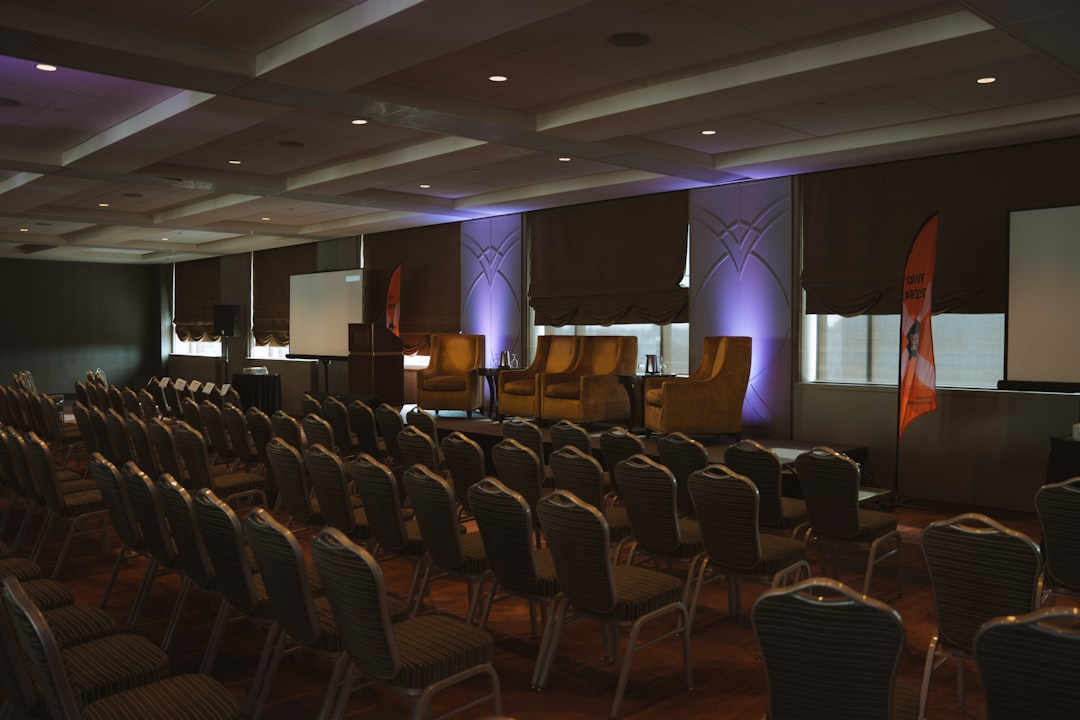
The venue can make or break your conference. Aim for a location that is not only convenient but also reflects the spirit of your event. Factors to consider include size, accessibility, amenities, and ambiance. If your conference is focused on innovation, a sleek, modern venue could enhance the experience. Conversely, if your event aims to foster creativity, consider spaces that are less traditional, such as art galleries or historic buildings.
### Engaging Speakers and Content
Nothing attracts attendees like a stellar lineup of speakers. Choose individuals who are not only experts in their field but also captivating storytellers. When selecting speakers, consider diversity in thought, experience, and background. This not only enriches the content but also attracts a broader audience.
Once you have your speakers lined up, collaborate with them to create engaging sessions. Encourage interactive workshops or panel discussions to foster dialogue among attendees. Remember, people attend conferences not just for the content but for the connections they make.
### Marketing Your Conference
With the details falling into place, it’s time to spread the word. Utilize social media, email marketing, and traditional advertising to reach your target audience. Craft compelling messages that highlight the unique aspects of your conference, including key speakers, engaging activities, and networking opportunities.
Consider early bird pricing to incentivize registrations. Creating urgency can boost your attendance numbers significantly. Also, don’t forget to utilize your speakers’ networks to promote the event. Their endorsements can be incredibly powerful in attracting attendees.
### Sustainability Matters
In today’s world, sustainability is not just a trend; it’s a necessity. As you plan your conference, think about how you can minimize your ecological footprint. Opt for digital materials instead of paper, provide recycling options at your venue, and source local catering to reduce transportation emissions. Attendees appreciate organizations that prioritize sustainability, and it can be a selling point for your event.
### Post-Conference Follow-Up
Your job doesn’t end when the last attendee leaves. Gather feedback through surveys to understand what worked and what didn’t. This information is invaluable for improving future conferences. Also, follow up with attendees and speakers with a thank-you note or recap of the event. This helps maintain relationships and keeps your conference top-of-mind for next year.
### Conclusion
Conference planning can indeed be a complex endeavor, but with the right strategies, it can also be an incredibly rewarding experience. By setting clear objectives, budgeting wisely, choosing the right venue, engaging speakers, and promoting sustainability, you’ll be on your way to hosting a successful conference that leaves a lasting impact. So, gather your resources, unleash your creativity, and get ready to plan a conference that will be talked about long after the last session ends!